
Building Energy Modeling Services in Denver, CO

If you’re planning a new construction project or evaluating building upgrades, building energy modeling can not only predict the financial impact but also predict tenant comfort and building functionality.
Schedule an Audit


What is Building Energy Modeling?
The model analyzes how systems like HVAC, lighting, ventilation, insulation, windows, occupancy schedules, and controls interact to impact energy consumption.
The goal of building energy modeling is to identify opportunities to improve efficiency, reduce operating costs, and optimize overall building performance.
Operating costs of a building’s energy can be drastically affected by:
- Orientation of the building
- Local Shade
- Wind Exposure
- HVAC Design
- Window-to-wall ratio
- Occupancy Schedules
A high-quality energy model gives building owners and project teams a clearer understanding of how energy is consumed and where certain designs will have the biggest impact.
Building Energy Modeling Services for Commercial Buildings
Cascade Building Solutions provides building energy modeling services for a wide range of commercial and industrial facilities throughout Colorado. We’ve serviced multifamily, warehouse, office, historic, plastics manufacturing, data center, restaurant, K-12, and religious facility spaces.
Our modeling process combines engineering analysis, building plans, and onsite observations to create accurate simulations tailored to your facility.
We work closely with building owners, developers, architects, and contractors to evaluate:
- HVAC System Performance
- Lighting Efficiency
- Building Envelope Performance
- Energy Conservation Measures
- Renewable Energy Opportunities
In addition to the potential to predict operations on a daily basis, IES’s Virtual Environment has numerous tools to ensure ASHRAE 90.1 and local energy code compliance with the push of a button.
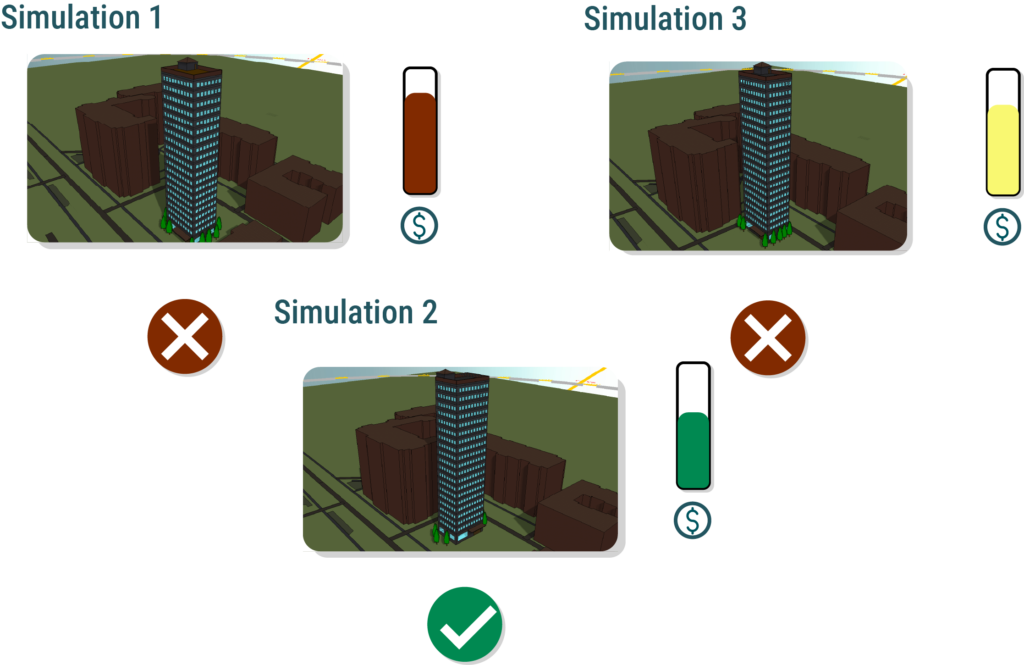
Why Building Energy Modeling Matters
Without accurate modeling, many energy decisions rely on assumptions rather than data.
At Cascade, we understand that most engineering calculations provide results within 85% accuracy, but even a 15% failure rate can cost a company millions of dollars and turn the project into a financial failure.
For many projects, energy modeling can also support utility rebates, green building certifications, and local energy compliance requirements.
Energy Modeling is typically reserved for AHSRAE level 3 audits when owners are seriously considering the replacement of expensive systems, but Cascade has committed to including modeling in all ASHRAE level 2 audits as well to provide owners important information before considering the investment.
How the Building Energy Modeling Process Works
Here’s what to expect during the modeling process:
First, our team gathers building drawings, mechanical schedules, utility bills, and operational information to develop a complete understanding of the facility.
If the building is still in the design phase, our team works closely with the architects to create mock models based on industry design standards.
We create a detailed digital energy model that simulates how the building performs throughout the year under varying operating conditions and weather patterns.
Once the model is developed, energy efficiency measure effectiveness is evaluated throughout an entire year. This provides owners with a detailed analysis of performance in all seasons.
The final deliverable is a clean, organized report that provides actionable recommendations and a clear path toward improved building performance.